

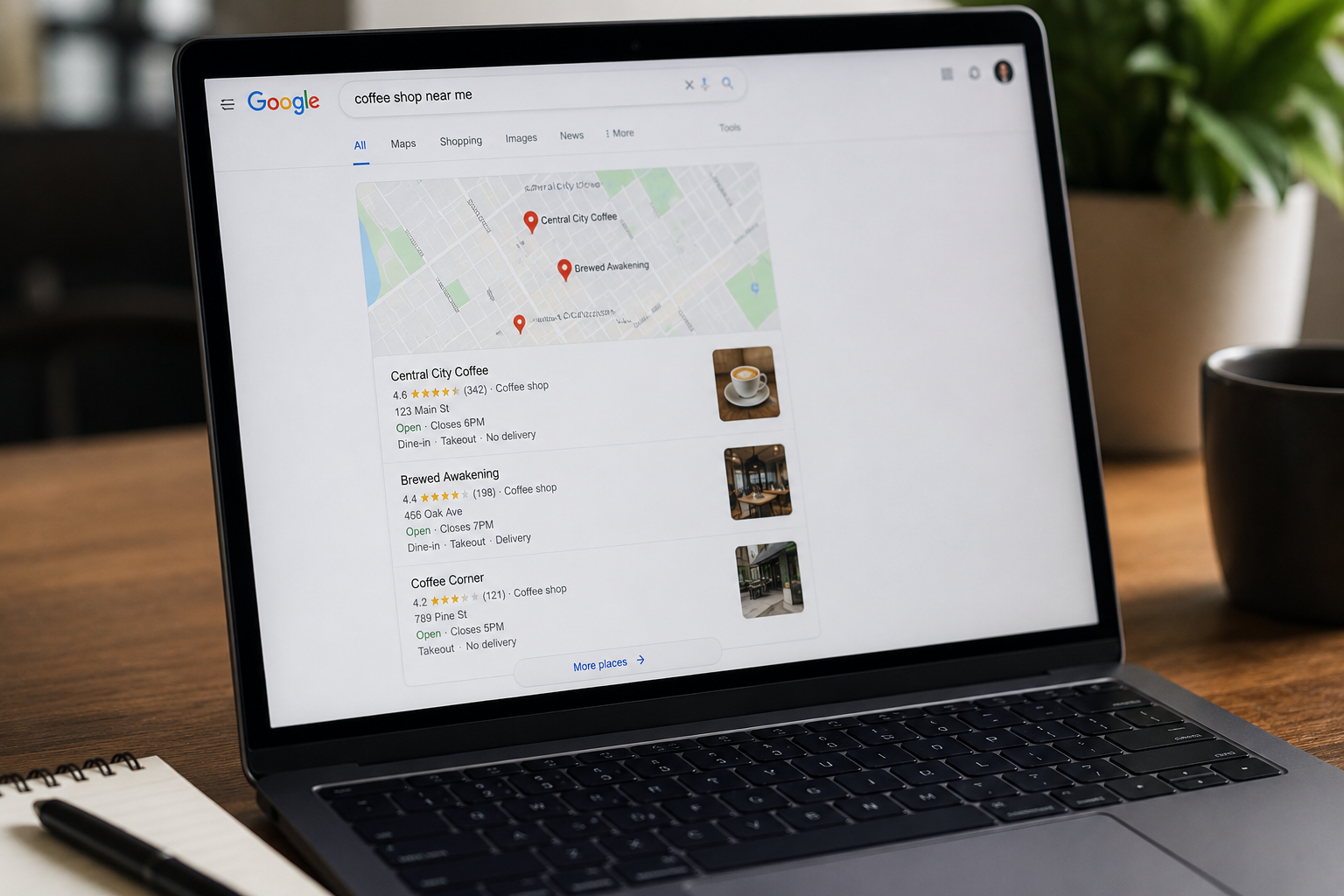
For years, Google reviews have been one of the most powerful tools for local businesses. They influence search rankings, customer trust, and buying decisions almost immediately. But as review strategies became more aggressive and automated, Google has responded with stricter enforcement.
As of April 2026, Google updated its review policies in a major way. These changes are designed to crack down on manipulative review practices and encourage more authentic customer feedback.
If your business relies on Google reviews for visibility and credibility, these updates matter.
The Biggest Changes to Google’s Review Policies
1. Asking Customers to Mention Specific Employees Is No Longer Allowed
Many businesses previously encouraged reviews like:
- “Mention Sarah in your review!”
- “Leave a review for Mike!”
- “Shout out your technician by name!”
Google now considers this a form of manipulated review behavior when it is requested or incentivized.
Businesses can still receive reviews that naturally mention employees, but you should no longer instruct customers to include staff names in their feedback.
2. Employee Review Quotas Are Prohibited
Some businesses created internal systems where staff members were expected to collect a certain number of Google reviews each month.
Examples include:
- Monthly review targets
- Bonuses tied to review counts
- Team competitions for most reviews collected
Google’s updated guidance now discourages these quota systems because they can create pressure that leads to unnatural or low-quality reviews.
The focus should shift from volume to authenticity and consistency.
3. Review Gating Is Explicitly Banned
Review gating has been common for years.
This usually looked something like:
- Happy customers were directed to Google reviews
- Unhappy customers were sent to a private feedback form instead
Google now clearly prohibits this practice.
Businesses are expected to request feedback from all customers equally, not selectively filter who gets the opportunity to leave a public review.
This is one of the most significant changes in the update because many automated review platforms previously used this exact process.
Google Is Using AI to Detect Manipulation
Google is increasingly relying on AI systems to identify suspicious review activity.
This includes:
- Sudden spikes in review volume
- Repetitive wording patterns
- Reviews generated immediately after in-person prompts
- Large batches of reviews tied to specific employees
- Unnatural review velocity from campaigns
Even legitimate reviews can potentially be flagged if acquisition patterns appear artificial.
That means businesses need to think beyond “getting more reviews” and focus on creating a steady, organic review process.
Practices That Are Still Allowed
The good news is that Google still encourages businesses to ask for reviews. The key difference is how you ask.
What Remains Compliant
Asking Every Customer for Honest Feedback
You can absolutely request reviews, as long as the request is neutral and sent broadly.
Good example:
“We’d love your honest feedback about your experience with our company.”
Bad example:
“If we earned 5 stars today, please leave us a Google review.”
Follow-Up Emails and Text Messages
Sending a review request 1–2 days after service is still considered a best practice.
This creates distance from the transaction and reduces the appearance of pressure.
QR Codes and Direct Links
Google still supports:
- QR codes
- Printed handouts
- Email links
- Text message review links
The important distinction is that customers should choose to leave a review on their own terms, not while being pressured in person.
What Businesses Should Stop Doing Immediately
If your current process includes any of the following, it may be time to adjust your strategy:
- Asking customers to mention employees by name
- Offering incentives tied to reviews
- Using review gating funnels
- Running internal review competitions
- Asking customers for reviews while standing in your lobby
- Using review kiosks on-site
- Sending large blasts that create sudden spikes in review activity
A Better Review Strategy for 2026
The businesses that succeed moving forward will focus on consistency and authenticity.
Recommended Approach
- Ask Every Customer Equally
Create a standard process where all customers receive the same review request. - Keep Requests Neutral
Avoid language that pressures customers toward positive feedback. - Space Out Requests Naturally
Steady review activity looks far more trustworthy than sudden bursts. - Prioritize Customer Experience First
The best review strategy is still delivering excellent service consistently.
Why This Matters
Violating Google’s updated review policies can lead to:
- Review removals
- Suppressed visibility
- Reduced local rankings
- Google Business Profile suspensions
For many local businesses, losing review credibility can directly impact lead flow and revenue.
Google’s 2026 review policy updates signal a larger shift toward authenticity and trust.
The era of aggressive review funnels and high-pressure tactics is fading. Businesses that adapt now by creating ethical, customer-friendly review systems will be in a much stronger position long term.
The goal is no longer simply “more reviews.”
It is building a review profile that looks natural, trustworthy, and genuinely reflective of the customer experience.